A Beginner’s Guide to Lucky Charms and Feng Shui Symbols

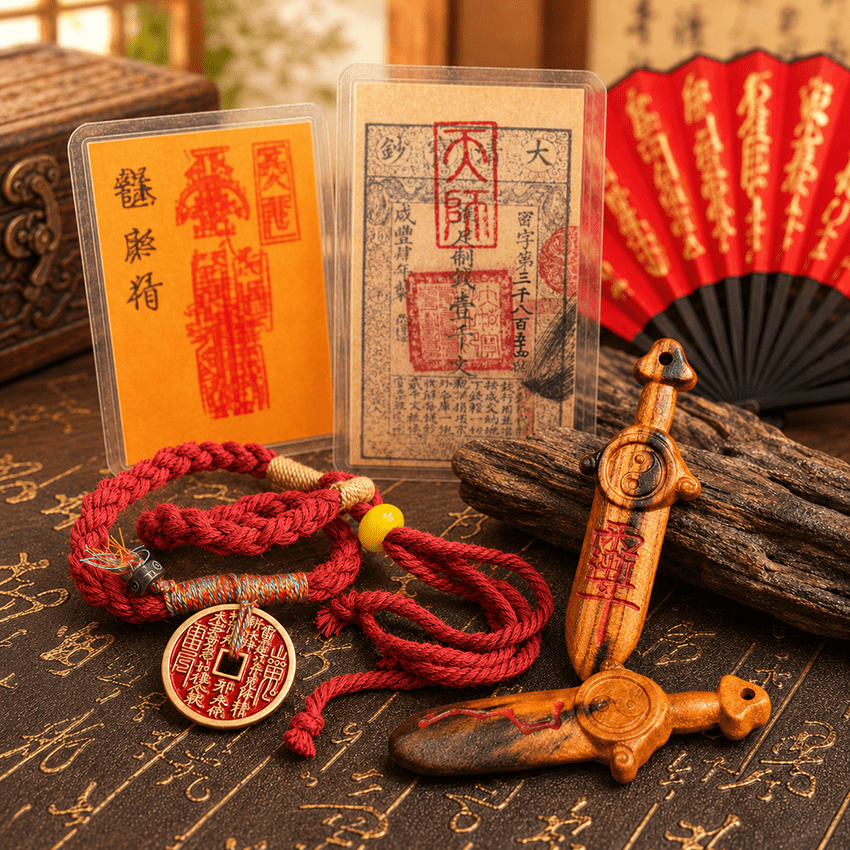
Lucky charms can be easy to misunderstand. Some people treat them as magic objects. Others dismiss them as decoration.
A calmer way to see them is somewhere in the middle. In feng shui and Chinese symbolic culture, lucky charms are often used as intentional objects. They carry meaning, memory, and a sense of focus, but they should not be treated as guarantees.
This guide explains common charms, feng shui symbols, protective symbols, wealth symbols, and home energy symbols in a practical way for a modern home.
What Lucky Charms Really Mean
A lucky charm is not a shortcut to a perfect life. It is usually a traditional symbol that reminds you of a value, wish, or area of attention.
A lucky charm should work as a symbolic reminder, not as a promise that life will unfold in a certain way.
For example, a prosperity symbol may remind someone to be more mindful with resources, opportunities, and decisions. A protective symbol may help a doorway or desk feel more settled. A home energy symbol may make a room feel more intentional because it gives the eye a quiet point of meaning.
The goal is not to collect every symbol, but to choose objects that feel clear, respectful, and easy to live with.
Common Types of Lucky Charms
Feng shui symbols can vary by region, lineage, material, and family tradition. Still, several types appear often in modern homes and product collections.
Pixiu is commonly connected with prosperity symbolism. In a careful modern reading, it is better described as a symbol of guarding resources and paying attention to what you invite into your life.
Wu Lou, or the gourd, is often linked with protection, care, and wellbeing symbolism. It should not be presented as a cure or medical object. In a home, it can be treated as a gentle symbol of protection and support.
Five Emperor Coins are often used as protective symbols, especially near entries, desks, or areas connected with work. They are usually understood as a traditional emblem of stability, order, and protection.
Other examples may include knots, coins, mythical animals, crystals, plants, bells, or symbolic colors. The exact object matters less than the meaning you give it and the way it fits the space.
How to Choose a Lucky Charm
Start with meaning, not pressure. If an object makes you feel anxious or pushed into buying it, it is probably not the right choice.
A wealth symbol is better treated as a reminder of stewardship, generosity, and practical attention.
Ask what the symbol represents. Is it about protection, prosperity, clarity, harmony, study, travel, or calm? Then ask whether that meaning connects with your home.
Material also matters. A small brass object, a carved wood piece, a ceramic gourd, or a simple framed symbol can all feel different. Choose something that belongs with your decor.
The object should reflect your intention and your home, not pressure you into fear or superstition.
Where to Place Charms at Home
Placement should be practical before it is symbolic. A charm that blocks a doorway, clutters a counter, or creates visual noise is not helping the room.
Many people place protective symbols near an entry, desk, shelf, or personal workspace. Wealth symbols are often placed where they can be seen and cared for.
Placement should make the symbol easy to see, easy to care for, and natural within the room.
For home energy symbols, look at the feeling of the area first. Is it too busy, too empty, or too dark? The symbol can then act as a small anchor for your intention.
If you are unsure, start small. One meaningful object placed well is usually better than many objects placed without thought.
What Lucky Charms Should Not Be Used For
These objects should not be used to scare yourself or other people. They should not be sold or explained as objects that guarantee money, health, marriage, success, or a fixed future.
They also should not replace practical action. A symbol of protection does not replace safe habits. A prosperity symbol does not replace planning, skill, or responsible choices.
The most useful approach is to treat lucky charms as cultural symbols and personal reminders. They can make a space feel more meaningful, but they do not replace practical choices.
When a Personalized Feng Shui Review Helps
General guides are helpful, but a real home has its own layout, habits, light, storage, and emotional tone.
If you want a clearer way to choose symbols for your space, a personalized Feng Shui Review can help you compare meaning, placement, and style.
That kind of review should stay grounded. It can help you decide which symbols fit your home and which ones feel unnecessary.
FAQ
Are charms the same as feng shui symbols?
They can overlap, but they are not always the same. Some come from feng shui traditions, while others come from wider cultural, family, or decorative traditions.
Can a charm bring wealth?
A charm should not be treated as something that brings wealth by itself. Wealth symbols are safer and more honest when framed as reminders of intention, care, and practical attention.
Where should I place protective symbols?
Common places include an entryway, desk, shelf, or personal workspace. The best placement is visible, tidy, and natural for the room.
Do I need many lucky charms at home?
No. One or two meaningful objects are often better than many items that make the room feel crowded or confusing.
How do I know which charm is right for me?
Choose by meaning, material, and how it fits your home. If the object feels respectful, clear, and easy to live with, it is usually a stronger choice than something bought out of fear.
Want Help Choosing the Right Symbols?
If you want help choosing symbols that fit your home, a personalized Feng Shui Review can give you a calmer way to compare meaning, placement, and style.
CTA: Book a Personalized Feng Shui Review